


If you're wondering how so many data breaches happen despite advanced security software, you're not alone. This is a common question, and it often happens because people misunderstand how what is hacking actually works in the modern era. Many beginners assume attackers rely purely on complex code.
In this guide, you'll learn:
- What social engineering is
- Why psychological manipulation works so well
- What current research says about these attacks
- 10 common tactics used to steal passwords and data
- Practical ways to recognize and stop manipulation
Keep it conversational. Avoid fluff.
Quick Answer
Social engineering is the psychological manipulation of people into performing actions or divulging confidential information. Instead of hacking a computer's code, attackers hack the human mind. Current evidence suggests that the vast majority of cyberattacks begin with a social engineering tactic, tricking users into giving away their passwords willingly.
Evidence Snapshot
| Topic | Current Status |
|---|---|
| Phishing/Vishing/Smishing | The most prevalent forms of social engineering globally |
| AI-Generated Attacks | Increasingly removing grammar and spelling clues |
| Deepfake Impersonation | Emerging threat used to bypass voice and video verification |
| Human Error | Involved in over 80% of data breaches |
| Current Consensus | Technology alone cannot stop social engineering; awareness is required |
What Is Social Engineering?
To understand this tactic, it helps to look at the broader picture of what is cybersecurity. While cybersecurity involves firewalls and encryption, social engineering bypasses all of that by targeting the user.
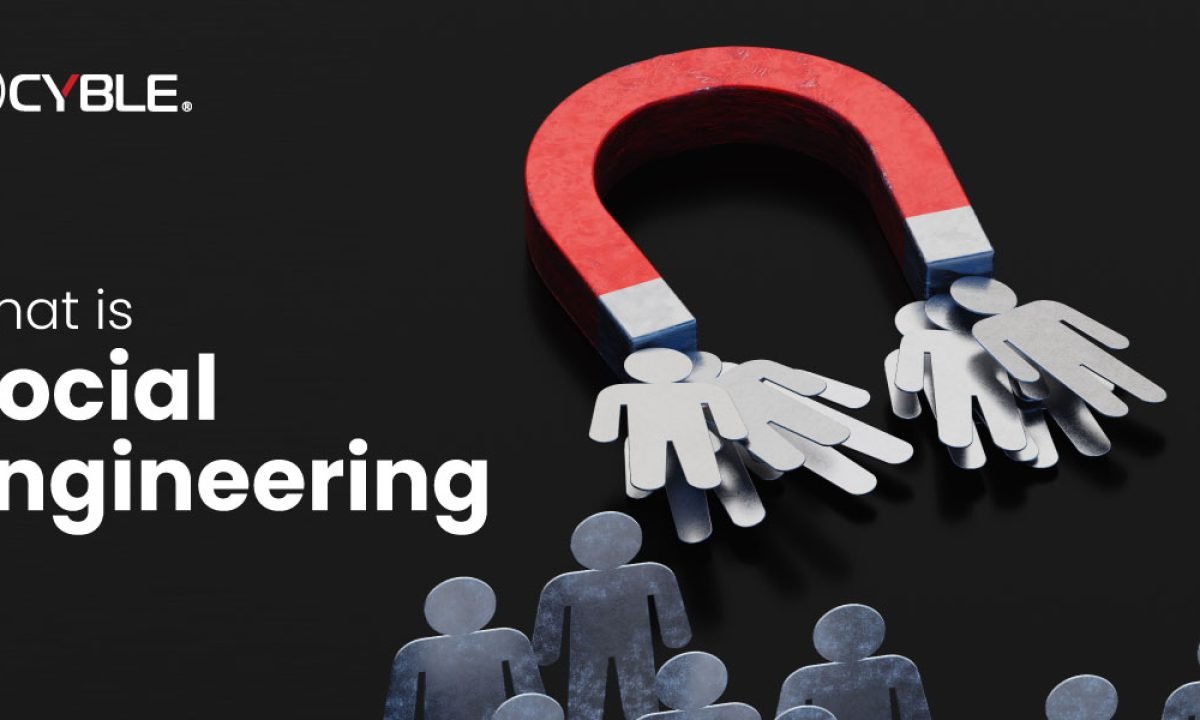
Social engineering is a form of psychological manipulation. It tricks people into making security mistakes, like giving away passwords or downloading malware.
It relies on exploiting natural human emotions rather than software vulnerabilities. If you want to see how this fits into the wider landscape of digital threats, reviewing common hacking techniques provides helpful context.
Current Research or Industry Status
Cybersecurity experts currently know that humans remain the weakest link in any security system. According to industry reports, social engineering tactics consistently rank as the number one initial attack vector.
However, the execution is changing. Observational findings show a massive shift in the quality of these attacks. Ongoing developments suggest that generative AI allows attackers to create flawless, personalized messages at scale.
Early evidence indicates that AI is making these scams much harder for the average person to detect. More research is needed to understand the long-term impact of AI on the success rates of these campaigns.
Why This Happens
Social engineering works because it exploits predictable human behaviors.
Understanding types of hackers helps explain the motive. Opportunistic attackers use social engineering because it is cheaper and faster than finding a technical zero-day flaw.
The manipulation usually relies on a few core psychological triggers:
- Urgency: Creating a false emergency so you don't have time to think.
- Authority: Pretending to be your boss, the IRS, or your bank.
- Fear: Threatening to close your account or arrest you.
- Curiosity: Promising a juicy piece of gossip or an unexpected package.
Why It Matters
Understanding this topic is crucial because technology cannot fully protect you if you willingly give away your credentials.
Beginners get confused because they think as long as they have antivirus software, they are safe. Misinformation spreads when people believe hackers are always typing furiously in a dark room, rather than simply sending a well-crafted email.
10 Common Social Engineering Tactics
1. Phishing (Mass Emails)
The most common tactic. Attackers send fraudulent emails that look like they come from legitimate sources like banks or streaming services. How do hackers hack accounts usually comes down to tricking the user into typing their password into a fake login page linked in these emails.
2. Spear Phishing (Targeted Emails)
Unlike mass phishing, spear phishing targets a specific individual. Attackers research your job, coworkers, and interests on social media to craft a highly personalized and convincing email.
3. Smishing (SMS Phishing)
Attackers send text messages claiming there is a problem with a package delivery, a bank transaction, or a toll road bill. Can someone hack your phone through text messages? Yes, smishing is a leading cause of mobile compromises.
4. Vishing (Voice Phishing)
This occurs over a phone call. Attackers use spoofed caller IDs to make it look like the IRS, your bank, or tech support is calling. They create high-pressure scenarios to extract credit card numbers or remote access credentials.
5. Business Email Compromise (BEC)
A highly profitable tactic where attackers impersonate a company executive. They email an employee in the finance department, requesting an urgent wire transfer to a fraudulent account.
6. Pretexting (Creating a Scenario)
The attacker creates a fabricated scenario (a pretext) to steal your data. They might call your IT department pretending to be a vendor who needs network access, using real company jargon to sound convincing.
7. Baiting (Leaving a Trap)
This can be digital or physical. Digitally, it might be a fake download link for a popular movie or software. Physically, it could be a malware-infected USB drive labeled "Executive Salaries" left in a company parking lot.
8. Tailgating (Following Someone In)
A physical form of social engineering. An attacker without a security badge simply follows an authorized employee through a secure door, relying on the employee's politeness to avoid a confrontation.
9. Quid Pro Quo (Something for Something)
The attacker promises a benefit in exchange for information. For example, they might call pretending to be IT support, offering to speed up your computer if you just provide your login credentials.
10. Deepfake Impersonation (AI Cloning)
An emerging tactic where attackers use AI to clone the voice or video of a trusted person, like your boss or a family member. They use this fake audio or video call to verify a fraudulent wire transfer or request urgent help.
Common Mistakes
Mistake: Trusting a caller ID or sender name. Why it happens: Phone numbers and email addresses are incredibly easy to spoof. How to avoid it: Never verify a caller based on their ID. If your "bank" calls you, hang up and call the official number on the back of your card.
Mistake: Clicking links in unexpected emails or texts. Why it happens: The message looks perfectly legitimate and creates urgency. How to avoid it: Go directly to the website by typing the URL into your browser instead of clicking the link.
Mistake: Assuming you are too smart to be tricked. Why it happens: Overconfidence in your ability to spot scams. How to avoid it: Rely on verification processes, not your ego. Even security professionals fall for sophisticated social engineering.
Factors That Affect Results
- Channel: Text messages (Smishing) currently have higher success rates than emails because people trust their text threads more.
- Timing: Attacks spike during tax season, major news events, or corporate mergers when people are distracted.
- Target Profile: Attackers research targets on social media to craft highly personalized messages, making the manipulation much more effective.
Comparison Table: Social Engineering vs. Technical Hacking
| Feature | Social Engineering | Technical Hacking |
|---|---|---|
| Target | Human psychology | Software/Hardware |
| Method | Deception, urgency, fear | Exploiting code, brute force |
| Detection | Very difficult for automated tools | Easily caught by firewalls/antivirus |
| Prevention | Training and verification | Patching and encryption |
| Example | Fake IT support phone call | How hackers break into computers via unpatched software |
What Current Evidence Suggests
| Tactic | Evidence Strength | Current Consensus |
|---|---|---|
| Mass Phishing/Smishing | High | Extremely common; relies on volume over sophistication. |
| Spear Phishing/BEC | High | Highly targeted; much higher success rate and financial loss. |
| Deepfake Audio/Video | Moderate | Emerging threat; currently used in high-value corporate scams. |
| USB Baiting | Low | Declining as organizations physically lock down USB ports. |
Pro Tips
- Slow down. Social engineering relies on panic. If a message demands immediate action, take a 60-second break to evaluate it.
- Verify out of band. If a coworker emails you asking for a wire transfer, call them on the phone to confirm.
- Know the signs of a compromise. If you accidentally fell for a scam, knowing how to tell if your device has been hacked allows you to isolate the device and change your passwords immediately.
Safety / Best Practices
Follow reliable guidance from security professionals. Verify information through trusted resources.
Understanding what is ethical hacking can give you insight into how organizations test their employees' susceptibility to these attacks.
Use comprehensive guides on how to protect yourself from hackers to build a layered defense. Understand the limitations of technology—no spam filter will catch 100% of phishing emails.
Related Guides
- Understanding the Landscape: Learn more about the dark corners of the internet where stolen data ends up by exploring directories like OnionLink.
- Threat Intelligence: Stay updated on the latest social engineering campaigns and threat actor behaviors at DarkStats.
FAQ
What is an example of social engineering? A common example is receiving a text message (smishing) that looks like it's from FedEx, claiming your package is delayed. It urges you to click a link to update your address, which leads to a fake website that steals your credit card details.
Can social engineering be stopped by technology? No, technology alone cannot stop it. While spam filters catch some phishing emails, attackers constantly adapt. Human awareness and verification are the only reliable defenses.
What is Business Email Compromise (BEC)? BEC is a scam where attackers impersonate company executives or vendors via email. They target employees who have access to company finances, tricking them into wiring money to attacker-controlled bank accounts.
How does AI affect social engineering? Current evidence suggests AI makes these attacks more dangerous by eliminating grammar mistakes, translating scams into multiple languages perfectly, and creating deepfake audio to impersonate trusted voices.
Is tailgating a form of social engineering? Yes. Tailgating is a physical form of social engineering where an unauthorized person follows an authorized person into a secure building, relying on the authorized person's politeness to avoid asking for a badge.
What should I do if I click a suspicious link? Disconnect your device from the internet immediately. If you entered a password, change that password on a separate, secure device. Monitor your accounts for unauthorized activity and run a security scan.
Key Takeaways
- Main takeaway: Social engineering tricks people into breaking their own security rules by exploiting human psychology.
- Important limitation: No software can completely protect you from willingly handing over your credentials.
- Most common mistake: Trusting the sender name, caller ID, or a familiar voice without independent verification.
- Best practice: Always verify urgent requests for money or passwords through a different communication channel.
- Next step: Review the recent emails and texts you've received and look for any that created a false sense of urgency.
Conclusion
Social engineering is a reminder that cybersecurity is not just an IT problem; it is a human one. Attackers don't always want to fight your firewall. They would much rather just ask you to open the door.
By understanding how these manipulation tactics work—especially newer methods like deepfakes and smishing—you strip attackers of their greatest weapon. Remember that the threat landscape evolves constantly. To stay updated on the latest social engineering tactics and defense strategies, continue learning through trusted resources and related guides.