


If you're wondering if The Hidden Wiki is legal, you're not alone. This is a common concern, and it often happens because people confuse the tool used to access a site with the content hosted on it. Many beginners struggle due to sensationalized news reports that blur the lines between browsing and committing a crime.
Legal Disclaimer: This article provides general information, not legal advice. Laws regarding online activity vary by country and can change over time. If you have specific legal concerns, consult a qualified legal professional in your jurisdiction.
In this guide, you'll learn:
- What the Hidden Wiki actually is in a legal context
- Why the legal boundaries are easily misunderstood
- How law enforcement typically approaches dark web activity
- Practical ways to stay on the right side of the law
- Common mistakes to avoid
Keep it conversational. Avoid fluff.
Quick Answer
Simply visiting The Hidden Wiki is legal in most countries. The site itself is just a directory of text and links. However, clicking on links that lead to illegal content—such as purchasing illicit goods or viewing prohibited material—can be a crime. Is the hidden wiki legal? Yes, as a static page, but your actions once you click a link dictate your legal standing.
Quick Legal Overview
| Topic | Current Legal Status |
|---|---|
| Using Tor Browser | Legal in most democratic countries |
| Visiting a Wiki Directory | Legal (viewing text/links) |
| Purchasing Illegal Goods | Illegal (heavily prosecuted) |
| Viewing Prohibited Material | Illegal (e.g., CSAM, strictly enforced) |
| Current Consensus | Law enforcement targets actions, not passive browsing |
What Is The Hidden Wiki? (Legal Context)
To understand the legality, you first need to understand what the site is. If you are new to this space, reading about what is the dark web helps separate the network from the content.
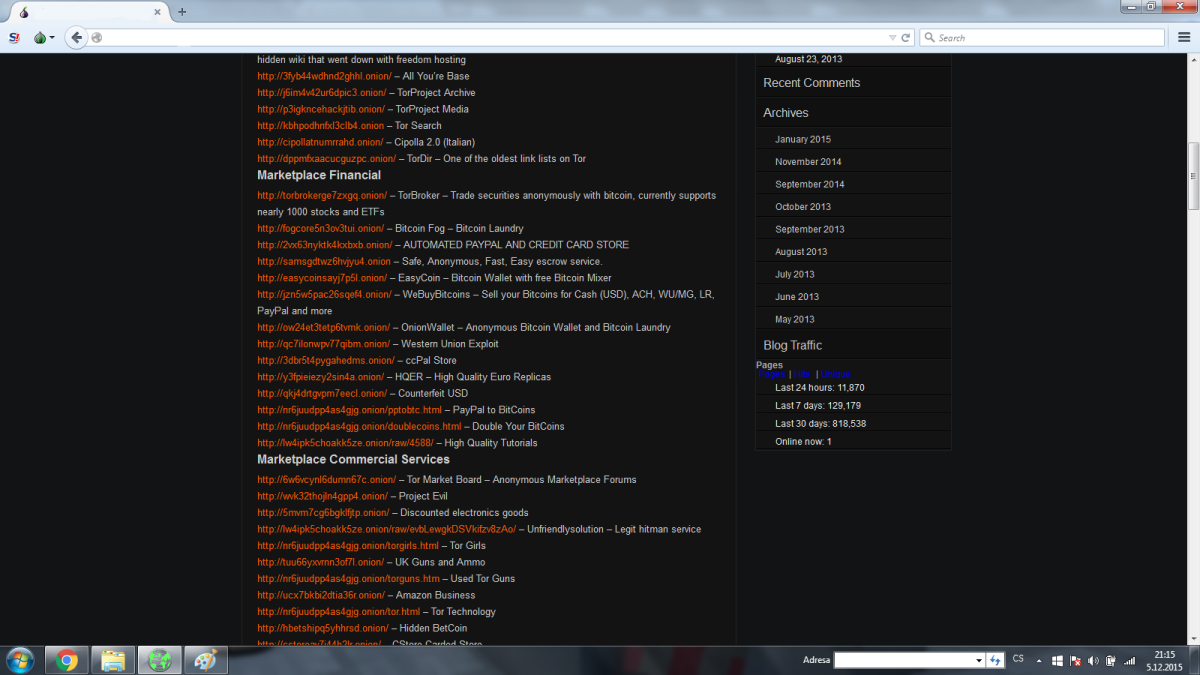
The Hidden Wiki is essentially a static webpage filled with hyperlinks. To use an analogy, it is like a phone book. A phone book is legal to own and read. However, if you use that phone book to call a hitman, you are committing a crime. The book itself is not illegal; your action is.
For a complete breakdown of how this directory operates, you can read our pillar guide: The Hidden Wiki Explained.
Is The Hidden Wiki a Search Engine?
No. The Hidden Wiki is better described as a directory of links rather than a search engine.
Search engines (like Google or dark web equivalents) use automated bots to crawl the web, indexing pages so you can type in a keyword and get results. The Hidden Wiki does not have a search bar. Instead, it organizes links manually or through community submissions into text-based categories.
Confusing the two is common, but understanding the difference is important for legal context. A search engine actively retrieves illegal content for you based on your queries, while a directory simply displays a static list of URLs.
How Law Enforcement Typically Approaches Dark Web Activity
Legal experts and cybersecurity professionals generally observe that passive browsing does not trigger law enforcement action.
In practice, law enforcement investigations generally focus on illegal marketplaces, criminal networks, and users involved in specific offenses rather than ordinary visitors viewing public pages. Following dark web news shows that authorities dedicate their resources to dismantling networks, arresting administrators, and catching large-scale buyers and sellers.
However, observational findings indicate that automated tracking systems are becoming more advanced, making it easier for authorities to identify users who cross the line from browsing into illegal transactions.
Why This Happens
The confusion around legality usually stems from wrong assumptions about the software used to access the wiki.
Many people assume that because criminals use the Tor network, the network itself must be illegal. This is false. Understanding what is Tor browser reveals that Tor was originally developed with support from U.S. government research organizations to improve anonymous communications and privacy. It is a legal tool.
The misconception is further fueled by the fact that is the dark web illegal is a complex question. The dark web hosts both legal privacy tools and illegal black markets. The Hidden Wiki sits at the crossroads of both.
Why It Matters
Understanding this topic is crucial because a single mistake can ruin your life.
Beginners get confused because they think anonymity equals immunity. Misinformation spreads when people claim that "nothing on the dark web is illegal." In reality, standard criminal laws apply to the internet just as they do to the physical world.
Is The Hidden Wiki Legal in Different Countries?
Because laws vary wildly by jurisdiction, the legality of accessing the Hidden Wiki depends heavily on where you live. In most Western democracies, the act of visiting the site is legal, but what you do next matters.
| Country | Tor Use | Hidden Wiki Access | Legal Nuances |
|---|---|---|---|
| United States | Legal | Legal if used lawfully | Accessing publicly available information is generally legal, while criminal activity remains strictly prohibited. |
| United Kingdom | Legal | Legal if no illegal activity | The Computer Misuse Act applies to unauthorized access, but viewing a directory is legal. Purchasing illegal goods is prosecuted. |
| Canada | Legal | Legal if no criminal activity | Legal to browse; Criminal Code strictly prohibits accessing or distributing certain types of prohibited content. |
| Australia | Legal | Legal if used legally | Legal to access; however, Australian law enforcement is highly active in monitoring dark web purchases. |
| Restricted Countries | Often Blocked | Varies | In countries like China, Russia, or Iran, using Tor to bypass state censorship is often illegal, regardless of the site visited. |
How to Understand the Legal Boundaries
Step 1: Visiting the Directory is Legal
Simply typing the Hidden Wiki URL into your browser and looking at the text is a legal action. You are not breaking any laws by viewing a list of links.
Step 2: Clicking Links is a Gray Area
Clicking a link to see what is on the other side is generally not prosecuted, provided you leave immediately if you see illegal content. However, if you click a link that leads to prohibited material (such as certain types of exploitation), simply viewing it can be a crime depending on your jurisdiction.
Step 3: Interacting is Illegal
If you create an account, send a message, make a purchase, or download illegal files, you have crossed the line into criminal activity. This is exactly what is hacking and cybercrime laws are designed to prosecute.
Can Police Track Hidden Wiki Users?
A common question is whether police can see you using the Hidden Wiki. The answer is nuanced.
Tor does not make users immune to investigation. While the browser hides your IP address, your activities can still expose you. Law enforcement typically tracks users through:
- Server Seizures: If police seize an illegal marketplace linked on the wiki, they may harvest identifying data from the server itself.
- Operational Mistakes: Users who reuse passwords, link their real email addresses, or expose their real IP address by enabling JavaScript make it easy for police to identify them.
- Malware: Law enforcement sometimes uses customized malware to unmask users engaged in severe criminal activity.
A person who is only viewing publicly available information is generally not the focus of criminal investigations. If you are buying illegal goods, police have multiple methods to find you.
Is Running a Hidden Wiki Illegal?
Another common question is whether hosting or owning a Hidden Wiki clone is a crime.
A directory itself is not automatically illegal. Hosting a list of links to legal privacy tools, news sites, or forums is protected speech in many countries.
However, knowingly hosting links to illegal services—especially if you are monetizing the site through ads from illegal darknet markets—can create severe legal problems. You could potentially be charged with conspiracy, facilitation of a crime, or money laundering, depending on your jurisdiction.
Common Mistakes
Mistake: Assuming Tor makes your actions invisible to police. Why it happens: Marketing around Tor emphasizes anonymity. How to avoid it: Understand that Tor hides your IP address, but it does not erase your actions if you make operational security mistakes.
Mistake: Creating accounts on linked marketplaces. Why it happens: Curiosity about how these markets function. How to avoid it: Creating an account leaves a digital trail of your activity. Even if you don't buy anything, associating your device with an illegal marketplace is highly risky.
Mistake: Downloading files from the wiki. Why it happens: Users see a "security guide" or "software" and download it. How to avoid it: Downloading files from unverified directories is legally and technically risky, as it often involves receiving stolen data or malware.
Comparison Table: Legal vs. Illegal Actions
| Action | Legal Status | Risk Level |
|---|---|---|
| Opening the Hidden Wiki homepage | Legal | None |
| Reading text links on the page | Legal | None |
| Clicking a link to a news site | Legal | None |
| Clicking a link to an illegal market | Gray area (High risk) | High |
| Creating an account on an illegal market | Illegal | Critical |
| Purchasing illicit goods | Illegal | Critical |
| Viewing certain prohibited content | Illegal | Critical |
What Current Legal Consensus Suggests
| Topic | Consensus Strength | Current Legal Reality |
|---|---|---|
| Prosecution for passive browsing | Low | Authorities do not prosecute for viewing a directory. |
| Prosecution for purchases | High | The primary focus of law enforcement stings. |
| Prosecution for hosting | High | Administrators of illegal linked sites are heavily targeted. |
Pro Tips
- Treat The Hidden Wiki as a read-only environment. Look, but do not touch.
- Use verified directories like OnionLink instead of the Hidden Wiki. Verified directories actively remove links to highly illegal content, keeping you safer from accidental exposure.
- Learn how researchers verify links. Understanding what is PGP can help you ensure you are visiting legitimate, legal services rather than illegal traps.
Safety / Best Practices
Follow reliable legal and cybersecurity guidance. Verify information through trusted resources.
The safest way to browse without legal paranoia is to practice strict operational security. Reading about how to stay safe while researching the dark web provides a framework for staying entirely within legal boundaries.
Understand that scammers also use the wiki. This explains why phishing is still so successful on these directories—they trick you into giving up legal, financial information. Furthermore, if you want to participate in legal discussions, use legitimate forums like Dread Forum rather than engaging with unvetted wiki links.
Related Guides
- Pillar Page: For a complete breakdown of the directory itself, read: The Hidden Wiki Explained.
- Safety Guide: To understand the technical risks (separate from legal risks), read: Is The Hidden Wiki Safe.
- URL Guide: If you are trying to find the directory, read our warning guide: Hidden Wiki URL.
Frequently Asked Questions
Is it illegal to visit The Hidden Wiki? In most jurisdictions, merely accessing a directory page is unlikely to result in prosecution. Legal outcomes depend on local laws, intent, and what actions follow.
Can you get arrested for using The Hidden Wiki? Simply opening a directory page is generally not considered a criminal act in most jurisdictions, although laws vary. However, you can face arrest if you use the wiki to engage in illegal activities, such as buying illicit goods or accessing prohibited content.
Is browsing the dark web illegal? No, browsing the dark web is legal. Using the Tor browser to access .onion sites is legal in most democratic countries. The illegality arises from the specific actions you take while browsing.
Is viewing onion sites a crime? Viewing onion sites is not a crime. However, the content hosted on those sites may be illegal. If you knowingly view certain types of illegal content—such as child sexual abuse material—you are committing a serious crime, regardless of the network used.
Does the FBI track Hidden Wiki visitors? Law enforcement monitors dark web traffic, but they generally use filters to focus on people engaging in illicit transactions or distributing illegal content. Passive visitors are not the target.
Can my ISP see that I am using The Hidden Wiki? Your ISP can see that you are connecting to the Tor network, but they cannot see that you are visiting The Hidden Wiki specifically. However, using Tor may flag your traffic for additional monitoring.
Key Takeaways
- Main takeaway: Visiting The Hidden Wiki is legal, but interacting with the illegal links found on it is not.
- Important limitation: Anonymity provided by Tor does not grant legal immunity for criminal actions.
- Most common mistake: Assuming that because a link is listed on a directory, clicking it and participating is safe or legal.
- Best practice: Treat the wiki as a read-only resource. Never create accounts or download files.
- Current evidence: Law enforcement focuses almost entirely on prosecuting transactions and site operators, not passive readers.
- Next step: Review your digital hygiene practices to ensure you are not accidentally leaving traces of your browsing history.
Conclusion
The legal status of The Hidden Wiki comes down to a simple principle: the tool is legal, but the crime is in the action. Reading a list of links is not illegal; buying drugs or viewing prohibited material is.
By understanding this boundary, you can satisfy your curiosity about the dark web without putting yourself in legal jeopardy. Remember that the legal and technical landscapes shift constantly. To stay updated on the latest threat intelligence and safety practices, continue learning through trusted resources and related guides.