


The Operation In a stunning twist of irony, a large-scale darknet drug operation involving more than 1,000 alleged sales and a turnover of at least €500,000 has been dismantled by investigators in Lower Saxony. Over a span of several years, the suspects allegedly sold cannabis, cocaine, amphetamine, and ecstasy via the darknet and messenger services to customers in Germany and abroad.
Among the accused are a customs officer and a police officer from Lower Saxony—individuals ostensibly responsible for enforcing the very laws they are now accused of breaking.
The Public Prosecutor's Office Oldenburg and the Central Criminal Investigation Unit Oldenburg accuse the suspects of operating a professionally organized darknet drug trade since early 2019. According to investigators, the measures targeted four men aged between 31 and 37. The three main suspects hail from Oldenburg, Bad Zwischenahn, and the Hamburg area.
The Scope of the Investigation
- Duration: February 2019 to April 2026 (approximately 7 years).
- Transactions: 1,000+ documented drug sales.
- Revenue: €500,000+ in alleged turnover.
- Payment Method: Predominantly cryptocurrencies, standard practice on illegal darknet marketplaces.
The "Blue Line" Betrayal The most disturbing aspect of this case is the alleged involvement of law enforcement officials.
The Accused While the investigation targeted four men, the focus is on the three main suspects. One is identified as a Customs Officer, and another as a Police Officer. Both are currently serving in Lower Saxony.
- The Customs Officer: Traditionally tasked with monitoring borders and interdicting contraband.
- The Police Officer: Tasked with maintaining public order and investigating crime.
Their Role in the Operation According to court documents, the officers allegedly abused their positions to facilitate the trade.
- Logistics: They allegedly utilized storage facilities and their insider knowledge to move product with low risk of detection.
- Storage: Evidence suggests the police officer operated storage facilities used to hold and stage the narcotics for darknet shipment.
Drugs Sold and Distribution Channels The operation was a sophisticated supply chain utilizing modern anonymizing technologies.
Products Sold The network distributed a wide variety of controlled substances:
- Cannabis (Hashish and Flower)
- Cocaine
- Amphetamine (11 kg seized)
- Ecstasy (Several thousand tablets seized)
Distribution Channels
- Darknet Marketplaces: The suspects operated storefronts on hidden services accessible only via Tor.
- Messenger Services: They likely used encrypted chat apps to communicate with wholesale buyers and runners.
- International Shipping: Orders were packaged and shipped via international post to customers throughout Germany and abroad.
The Raids & Seizures On June 3, 2026, the Cybercrime Center Lower Saxony executed a coordinated strike against the network.
- Date: June 3, 2026
- Jurisdiction: Led by the newly established Cybercrime Center Lower Saxony.
- Locations Targeted: 10 residential and office buildings in Oldenburg, Bad Zwischenahn, Wilhelmshaven, and Hamburg.
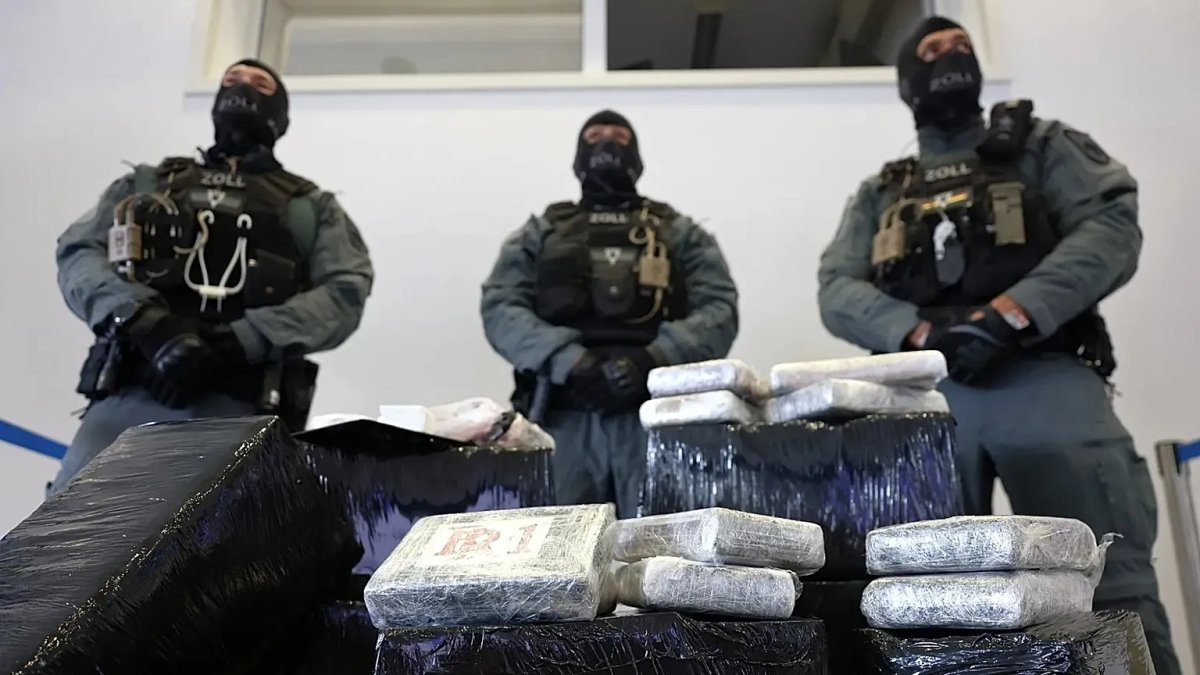
Evidence Seized Authorities recovered a significant stash of narcotics and operational tools:
- Drugs Recovered:
- 2 kg of hashish
- 8 kg of cannabis
- 11 kg of amphetamines
- Several thousand ecstasy tablets
- Other Items:
- High five-figure cash reserves
- Valuable watches (likely luxury goods purchased with proceeds)
- Communication and storage media
- Manufacturing and packaging equipment
- Data carriers and cell phones used for darknet communications
The "Cop Seizure" Theory Perhaps the most chilling allegation—and one that has sent shockwaves through the local law enforcement community—is the origin of the narcotics.
Were They Selling Police Evidence? Investigators are actively probing whether the drugs came from official police seizures. This theory suggests that the officers may have diverted narcotics confiscated from other investigations rather than purchasing them from a separate criminal syndicate.
According to a spokesperson for the prosecutor's office:
"We are examining whether the drugs came from official police seizures. This has not been officially confirmed yet."
If proven true, this would imply that the officers effectively ran a side business selling evidence back to the street.
Legal Charges & Judicial Process The three main suspects have been brought before a judge at the District Court of Osnabrück.
- Charges: Commercial and gang-related unauthorized trafficking in narcotics in significant quantities.
- Status:
- Main Suspects: Remanded to pretrial detention.
- Police Officer: Currently not in pretrial detention, but under investigation for aiding and abetting.
- Asset Freezes: Asset freezes have been enforced against the main suspects.
Potential Sentence: If convicted on the charges of unauthorized trafficking in significant quantities, the suspects face up to 15 years imprisonment.
Outstanding Questions & Ongoing Investigation While the immediate threat of the drug ring has been neutralized, the investigation is far from over.
- Procurement: The origin of the narcotics remains unclear. Investigators are examining multiple procurement methods to determine if the drugs were bought from cartels or sourced internally.
- Full Scope: The full identity of all network participants and the extent of their international operations is still being mapped.
- Corruption Check: Prosecutors are investigating if other officers or officials may have been aware of or involved in the operation.
Why This Case Stands Out This case is being ranked among the more remarkable investigation proceedings in the area of cybercrime and drug-related crime in Lower Saxony for several reasons:
- Scale of Operations: Over 1,000 transactions and €500,000 in turnover over 7 years indicates a professional-grade business model, reminiscent of other high-profile cases like the Postmates dark web drug ring.
- Professional Organization: The ring displayed a clear division of labor, systematic crypto-payments, and organized logistics.
- The Insider Threat: The involvement of a Customs Officer (border enforcement) and a Police Officer (domestic enforcement) directly in the trafficking chain reveals critical vulnerabilities, a subject often dissected on darknet forums for its operational risks.
- Geographic Reach: Operations spanning multiple German states with international customers.
- The "Evidence" Allegation: The possibility that they were selling evidence is a systemic failure that points to a lack of oversight.
Systemic Implications When those entrusted to enforce the law become suspects of the crimes they are meant to prevent, it reveals critical vulnerabilities within the justice system:
- Insider Access: It highlights how insiders can use law enforcement resources (storage facilities, information) to facilitate crime.
- Professional-Grade Operations: When officers turn to crime, they bring with them the knowledge of police tactics and surveillance, making their operations harder to detect.
- Corruption Oversight: This case underscores the urgent need for enhanced internal oversight of law enforcement activities and asset management.
Investigation Status: The investigation is ongoing. Whether the allegations regarding the sale of police evidence will be fully substantiated in court will only become clear as proceedings continue. For now, investigators have dealt a significant blow to an allegedly long-operating structure of online drug trade, a landscape constantly monitored by platforms like DarkStats.